National FCERM Strategy refresh
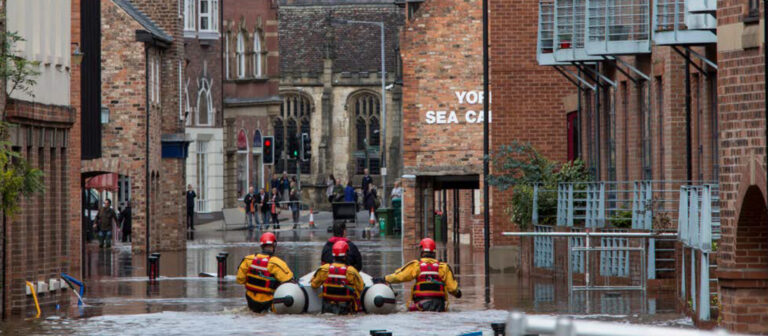
The Environment Agency is this year starting a review of its statutory Flood & Coastal Erosion Risk Management (FCERM) Strategy for England, working closely with Defra and other stakeholders.
It is a legally requirement to periodically refresh the Strategy under the Flood & Water Management Act 2010. This will update and strengthen the strategic long-term framework for flood and coastal resilience, reflecting Ministers’ priorities, as well as changes to our understanding of both current and future flood and coastal erosion risk. The revised Strategy will define what ‘good’ flood resilience looks like and the roles of the various delivery partners that contribute to it. Risk management authorities (RMAs) already have a statutory requirement to act in a manner consistent with the Strategy. The Environment Agency works closely with RMAs to ensure that the Strategy is understood and implemented.
The refreshed strategy will remain focused on bolstering resilience in flooding and coastal change, with ambitious but realistic steps out to 2050 that reflect changes since 2020 such as the latest risk evidence, learning from the EA’s flood and coastal innovation programme, recent flood and storm events, and new government policy.
ADA is participating in the Strategic Advisory Group alongside a number of representatives from other national bodies including: ADEPT, LGA, NE, NFU, RFCCs, National Highways, Network Rail, National Highways, National Flood Forum, Blueprint for Water, and Flood Re.
The Environment Agency have said that they want to engage partners in deeper discussions around:
- surface and groundwater flooding,
- rural flood resilience and lowlands,
- coastal change, transition and adaptation,
- asset management including maintenance,
- integrated catchment-based planning,
- natural flood management,
- flood preparedness, response and recovery,
- societal resilience – infrastructure, property, community, public service,
- growth and place making, and
- insurance and finance.
They will also be looking at reviewing with partners the roles and responsibilities of: the EA’s strategic overview, other RMAs, and of combined authorities and city regions in relation to FCERM.
A public consultation on the strategic objectives and measures is set to take place in the Autumn with the refreshed strategy laid before Parliament in 2027.
You can find out more on the Environment Agency’s engagement website here.
Categories
Archive
- October 2026
- September 2026
- August 2026
- July 2026
- May 2026
- April 2026
- March 2026
- February 2026
- January 2026
- December 2025
- November 2025
- October 2025
- July 2025
- June 2025
- March 2025
- February 2025
- January 2025
- December 2024
- November 2024
- October 2024
- September 2024
- August 2024
- July 2024
- June 2024
- May 2024
- April 2024
- March 2024
- January 2024
- December 2023
- November 2023
- October 2023
- September 2023
- August 2023
- July 2023
- June 2023
- May 2023
- April 2023
- March 2023
- February 2023
- January 2023
- December 2022
- September 2022
- August 2022
- July 2022
- June 2022
- May 2022
- April 2022
- March 2022
- February 2022
- January 2022
- December 2021
- November 2021
- September 2021
- July 2021
- May 2021
- March 2021
- February 2021
- January 2021
- December 2020
- November 2020
- October 2020
- September 2020
- August 2020
- July 2020
- May 2020
- April 2020
- March 2020
- February 2020
- January 2020
- December 2019
- November 2019
- October 2019
- September 2019
- August 2019
- July 2019
- June 2019
- May 2019
- April 2019
- March 2019
- February 2019
- January 2019
- December 2018
- November 2018
- October 2018
- September 2018
- August 2018
- July 2018
- June 2018
- May 2018
- April 2018
- March 2018
- February 2018
- January 2018
- December 2017
- November 2017
- October 2017
- September 2017
- August 2017
- July 2017
- June 2017
- May 2017
- April 2017
- March 2017
- February 2017
- January 2017
- October 2016
- September 2016
- August 2016
- July 2016
- June 2016
- May 2016
- April 2016
- March 2016
- January 2016